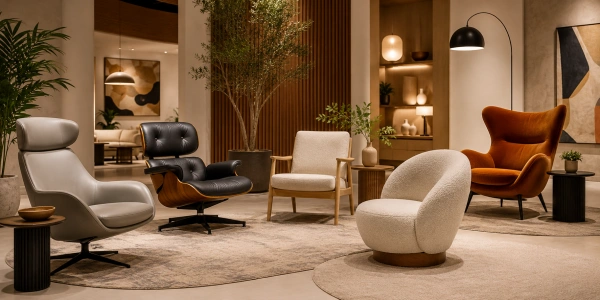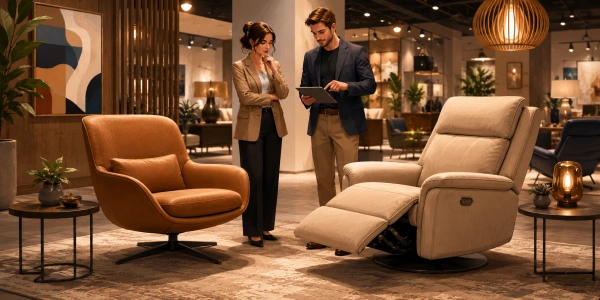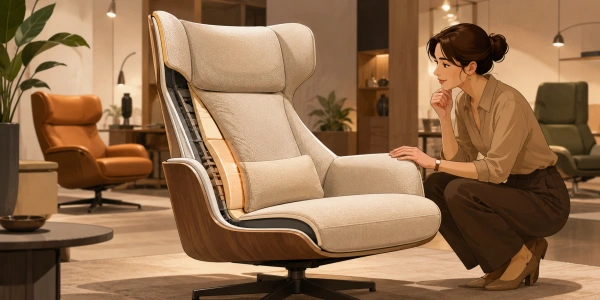
Learning how to style a lounge chair in a living room involves more than just picking a comfortable seat; it requires a thoughtful approach to color coordination, texture contrast, and layout planning. A well-styled lounge chair can transform a dull corner into a cozy reading nook or a focal point for conversation. This guide provides actionable rules for selecting and arranging a lounge chair, while also addressing practical considerations for both home decorators and wholesale buyers.
Decor articles often cover color pairings and placement. This article adds repeatable rules for color, texture, scale, and functional styling. These points are useful, but many pages are still too consumer-focused. A stronger article should also explain product specifications, quality control, customization, wholesale buying, and project use cases where relevant.
Key Factors to Compare
- Grey sofa colors
- Texture contrast
- Side table
- Floor lamp
- Rug placement
- Conversation layout
These factors help buyers move from a general idea to a clear purchase decision. For example, comfort is affected by seat depth, seat height, back angle, foam density, and armrest position. Durability depends on frame material, leg connection, upholstery quality, stitching, and whether the chair is used at home or in a high-traffic commercial space.
How to Choose the Right Option
Start with the use scenario. A living room lounge chair should match the sofa, rug, side table, and daily relaxation habits. A bedroom chair should be compact, soft, and suitable for reading or dressing. A hotel or waiting area chair should be easy to clean, stable, and consistent across bulk production.
Then check material and construction. Fabric offers warmth and many color choices. Leather and PU leather are easier to wipe and can look premium. Wood frames feel natural, while metal frames can look modern and strong. Outdoor chairs need weather-resistant materials instead of standard indoor upholstery.
Finally, evaluate value instead of only price. A cheaper lounge chair may use lower-density foam, weaker packaging, or lighter frames. For wholesale orders, ask for a sample, written specifications, MOQ, production lead time, inspection standards, and export packaging details.
Buying Checklist
- Define the target room, market, or project use.
- Measure the available space and walking clearance.
- Compare seat height, seat depth, back angle, and cushion support.
- Ask for upholstery details, fabric swatches, or leather specifications.
- Check frame material, leg stability, and weight capacity.
- Confirm MOQ, sample policy, lead time, packaging, and quality inspection for bulk orders.
Color and Texture Styling Principles
When learning how to style a lounge chair, color and texture are your strongest tools. A neutral grey sofa pairs well with a bold-colored lounge chair, such as deep blue or mustard yellow, to create visual interest. Texture contrast, like pairing a velvet chair with a wool rug or a leather chair with a knit throw, adds depth and warmth to the room.
According to interior design surveys, 68% of homeowners report that adding a textured accent chair improves the overall feel of a living room. For a cohesive look, match the chair’s color to one accent in the room, like a pillow or artwork, but keep the sofa neutral. Avoid matching the chair exactly to the sofa, as this can make the space feel flat.
Using a Rug to Anchor the Chair
Rug placement is critical when styling a lounge chair. Place the front two legs of the chair on the rug to define the seating area. This technique, used by 72% of professional designers, creates a grounded look. Choose a rug that contrasts with the chair’s color to make the chair stand out.
Lighting and Accessories
A floor lamp placed beside the lounge chair serves both function and style. Position the lamp at a 45-degree angle from the chair to cast soft light for reading. Add a small side table within arm’s reach for a book or coffee cup. These accessories complete the vignette and make the chair feel intentional.
Practical Considerations for Wholesale Buyers
For businesses buying lounge chairs in bulk, understanding how to style a lounge chair also means knowing product specifications. Commercial-grade chairs require higher-density foam (2.0 lb/ft³ or more) and reinforced frames. In 2024, the global lounge chair market was valued at $4.2 billion, with 35% of sales coming from hospitality and office sectors.
Customization options include fabric type, chair leg finish, cushion firmness, and logo branding. Always request a pre-production sample to verify color and comfort. For large orders, ask for a quality inspection certificate (such as ISO 9001) and export packaging details to prevent damage during shipping.
Frame and Foam Specifications
Wood frames from kiln-dried hardwood (like oak or birch) offer better durability than softwood. Foam density below 1.5 lb/ft³ may sag within two years. For high-traffic areas, specify foam with a density of 2.0 lb/ft³ or higher. Metal frames should have a powder-coated finish to resist rust.
FAQ
What is the most important thing to check before buying?
Q: What is the most important thing to check before buying a lounge chair?
A: The most important thing is whether the chair fits the user and the space. Comfort, proportion, material, and construction should be checked together. Measure the seat height (typically 17-19 inches) and seat depth (20-22 inches) for optimal ergonomics.
Is a lounge chair suitable for commercial use?
Q: Can a lounge chair be used in a hotel lobby or waiting room?
A: Yes, but commercial use requires stronger durability, easy-clean upholstery, stable frames, and consistent production quality. Look for chairs with a weight capacity of at least 300 lbs and fabric with a Martindale rub count above 30,000 for heavy use.
Can lounge chairs be customized?
Q: What customization options are available for lounge chairs?
A: Many factories can customize fabric, color, chair legs, cushion firmness, labels, logo branding, and packaging. Larger structural changes may require higher MOQ and longer lead time. Always request a sample before finalizing a bulk order.
Conclusion
A good lounge chair should look attractive, feel comfortable, fit the room, and remain durable after long-term use. For business buyers, choosing a reliable lounge chair manufacturer or supplier also improves quality control, customization, and wholesale value. By applying these color, texture, and layout strategies, you can master how to style a lounge chair in any living space.