Ever wondered why some lounge chairs feel like a hug while others leave you aching? It’s all about ergonomics. This guide breaks down the science of seat design, showing you how the right support transforms your relaxation, boosts well-being, and helps you choose your perfect throne for ultimate comfort.
The Science of Support: Understanding Lounge Chair Seat Design
Let’s be honest, when we sink into a lounge chair, we’re not thinking about lumbar curves or seat pan depth. We just want to feel good! But that amazing feeling is no accident. It’s the direct result of thoughtful seat ergonomics. Think of it as the hidden engineering that makes a chair work *with* your body, not against it. A well-designed seat provides passive support, meaning it holds you in a healthy, neutral posture without you having to think about it. This is the core of lounge chair seat design explained in simple terms: it’s about creating a foundation for your body to rest and recharge properly.
Key Ergonomic Principles for Seating
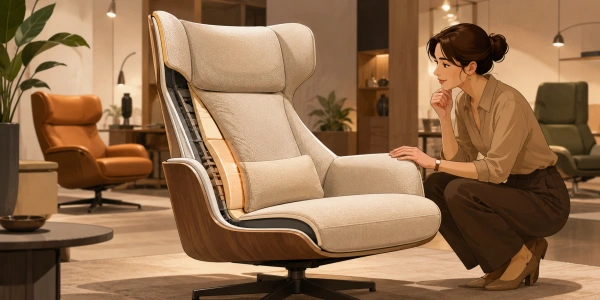
So, what makes a seat “ergonomic”? It boils down to a few key features that work together. First, lumbar support is crucial. Your lower back has a natural inward curve, and a good chair will gently fill that space to prevent slouching. Next, consider the seat pan. It should be deep enough to support your thighs without pressing into the back of your knees, and it often has a slight “waterfall” edge to reduce pressure. The seat’s contouring and cushioning also matter—firm enough to prevent you from sinking into an unhealthy position, but soft enough to be inviting. Finally, the recline angle and headrest position allow your spine to relax in a aligned, stress-free way. Understanding these ergonomic seating principles is like having a blueprint for comfort.
Why It Matters: The Real-World Benefits of Ergonomic Seating
You might think, “It’s just a chair for lounging, how important can it be?” Well, let me tell you, the impact is real. Investing in a chair with proper ergonomic design for recliners does more than just feel nice. It actively contributes to your physical well-being. By supporting your spine’s natural alignment, it reduces strain on your back, neck, and shoulders. This means you can enjoy a long reading session or movie marathon without the familiar ache that comes from a poorly supported seat. Beyond avoiding pain, good support improves circulation and reduces pressure points, allowing for deeper relaxation. In essence, a chair with good seat support and comfort isn’t a luxury; it’s a tool for maintaining your body’s health while you unwind. It turns passive sitting into active recovery.
Your Guide to Choosing an Ergonomic Lounge Chair
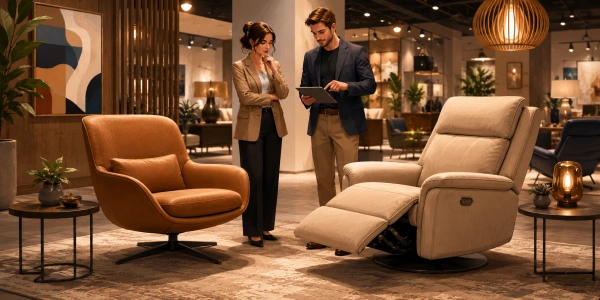
Now that you know the “why,” let’s talk about the “how” of finding your perfect match. Choosing an ergonomic lounge chair is a personal journey. I always suggest people start by sitting in different chairs if possible. Pay attention to how your body feels. Does your lower back feel cradled? Are your thighs fully supported? Can you easily find a relaxed position for your head and neck? Don’t just go for the softest cushion; sometimes, firmer support is better in the long run. Look for chairs that offer adjustability, like a movable headrest or lumbar pillow, as this lets you customize the fit to your unique body. Remember, the goal is to find a chair that makes you feel weightless and supported, not just cushioned.
What to Look For: A Quick Checklist
To make your search easier, here’s a handy checklist based on how to choose an ergonomic lounge chair:
– Lumbar Support: Can you feel firm support in the curve of your lower back?
– Seat Depth & Edge: Is there about a fist’s width of space between the seat edge and the back of your knees?
– Recline Mechanism: Does it lock in multiple positions to suit different activities?
– Head and Neck Support: Does the headrest or high back properly cradle your head when reclined?
– Material and Build: Is the cushioning resilient and the frame sturdy? For more on general ergonomic guidelines, you can refer to resources from OSHA’s ergonomics page.
Comfort vs. Support: Busting Common Lounge Chair Myths
There are a few common misconceptions floating around about lounge chairs. One big one is that “softer is always better.” A chair that you sink deeply into might feel cozy at first, but it often fails to provide the structural support your spine needs, leading to discomfort over time. Another myth is that ergonomic chair features are only for office chairs. The principles of body support apply everywhere you sit! Finally, some think a high price tag guarantees perfect ergonomics. While quality often costs more, the best chair for you is the one that fits *your* body, not just the one with the most features or the highest price. Understanding the importance of seat contouring and firm support helps you see past these myths.
Conclusion: Your Journey to Better Seating Starts Here
We’ve journeyed through the world of lounge chair seat ergonomics explained, from the core science to practical buying tips. The key takeaway is simple: true comfort in a lounge chair comes from intelligent design that supports your body’s natural posture. It’s about unlocking a deeper level of relaxation that cares for your well-being. So, the next time you shop for a chair, you’ll know exactly what to look for beyond just style. Listen to your body, use the checklist, and find a seat that doesn’t just look great in your space but feels incredible for years to come. Here’s to your ultimate comfort!